

The biggest story of the week is an update on the Disney, WEBTOON originally announced back in August during WEBTOON’s Q2 revenue report (my take on that here).
Monday, the Walt Disney Company and WEBTOON Entertainment announced that they will be developing a new digital platform featuring the current comic runs in addition to past comics from Disney’s portfolio including Marvel, Star Wars, 20th Century and more.
This would bring over 35,000 comics from across multiple universes, IPs and platforms together into one service. This would be an expansion on Marvel Unlimited, the current Marvel digital comics subscription services, but be built and operated by WEBTOON Entertainment.
As if that weren’t enough, Disney is set to acquire a 2% equity interest in WETBOON Entertainment. Check out WEBTOON’s release for more details.
Why build a new Disney comic platform?
The easy answer is that no Disney platform exists in the current market to host the thousands of Disney comic properties in the market. While, yes, Marvel has the Marvel Unlimited service and Disney IPs are scattered to the four-winds of digital e-book and comics services, there is no Disney+ for the House of Mouse’s large publishing library.
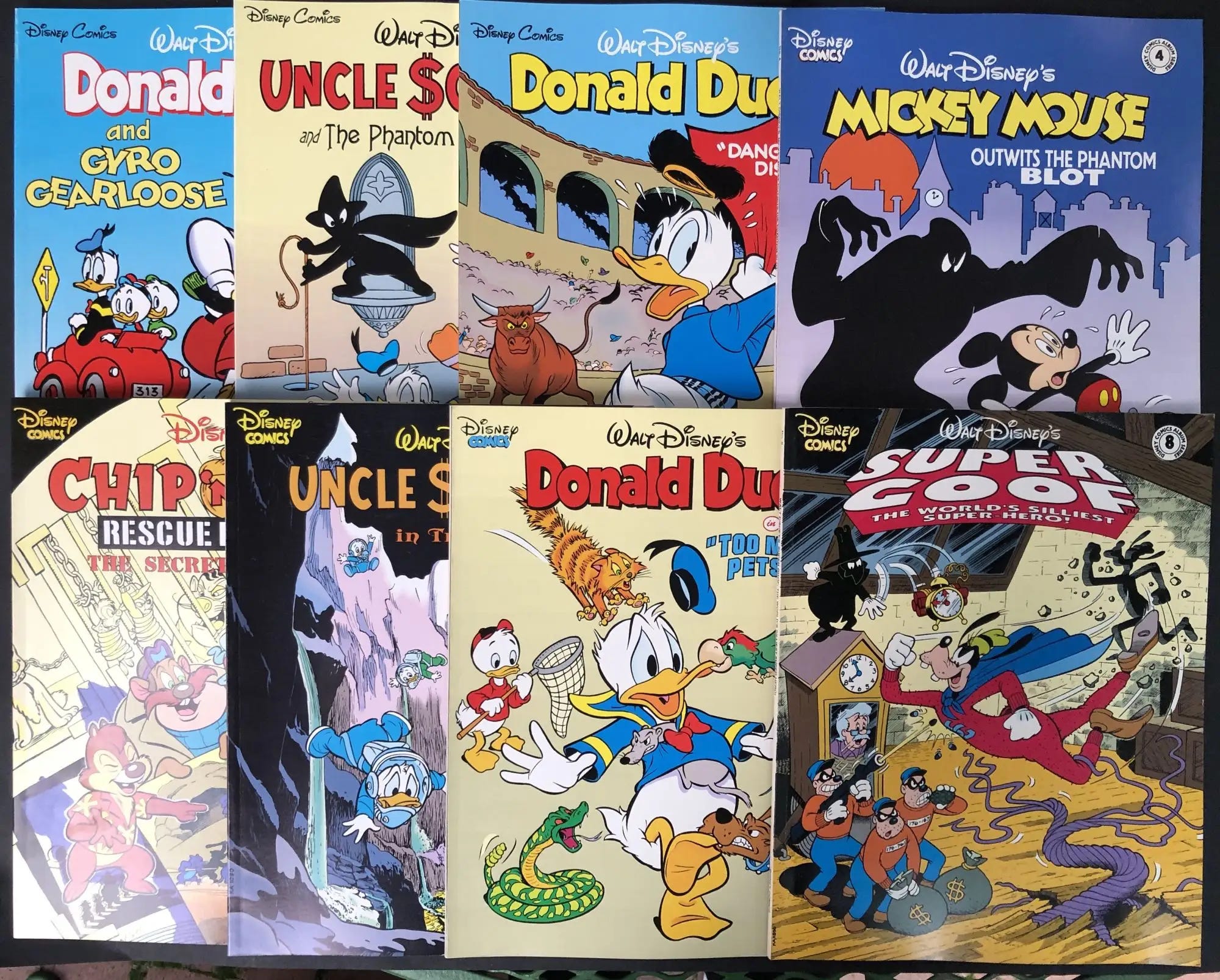
In that sense, it almost defies logic that such a platform hasn’t existed until now. Especially considering the popularity of Disney+, this feels like an oversight.
Based on what I could glean off of the INDUCKS database, there are thousands of Disney comics that a new platform could host. And while some are certainly too old to provide value to any but hardcore fans, there are definitely some gems among them.
In theory, a digital platform to bring together the wide library of published (and publishing) Disney content under one roof sounds like it makes perfect sense. It wouldn’t just consolidate content under the Disney brand, it would be a dedicated platform for launching new titles.
Then, who is the audience?
This is a mite harder to answer.
This isn’t the 2010’s. There is no firm Disney publishing audience for Disney comics (or manga outside of Japan). And while their box office numbers have been solid with Lilo and Stitch and Fantastic Four, the MCU has had mutiple missteps since Avengers Endgame and while Pixar can always trot out a new Toy Story movie, Elio felt like one of several marketing missteps for the once mighty studio.
While Disney has a massive audience of gen X and millenials willing to pay for content, younger audiences who live in the digital realm are more likely to be fans of WEBTOON. Or Tapas. Or Manta. Or Lezhin… hopefully not Lezhin.
More than likely, I’d bet this is Disney’s foray into digital publishing on webtoon’s (small “w”) terms. Instead of doing things the “Disney” way, working with Naver puts them on even grounds with the biggest digital webtoon publishers in the world.
Naver, Lezhin, Ridi, Toomics, and Kakao have one thing in common. Not content, developers.
It’s 2025. Japanese manga and western comics publishing somehow missed the digital publishing boat and Korean webtoons have control of the steering wheel (for now). If Disney is serious about reaching younger audiences, this is the best way to go.
Disney digital publishing, whenever it launches, will start with a built-in audience of diehard Disney fans. But in order to retain the attention of young audiences, they’ll need talented dev temas to build a user experience that keeps them around.
So if Naver provides the developer experience and the operational know-how…
What does WEBTOON get out of this?
We’ve already known that Disney is allowing WEBTOON to publish new webtoon adaptations of existing Disney IPs. The exact nature of those adaptations or the exact IPs to be adapted haven’t been announced, but we have to assume they saw what WEBTOON did with Wayne Family Adventures and took note.
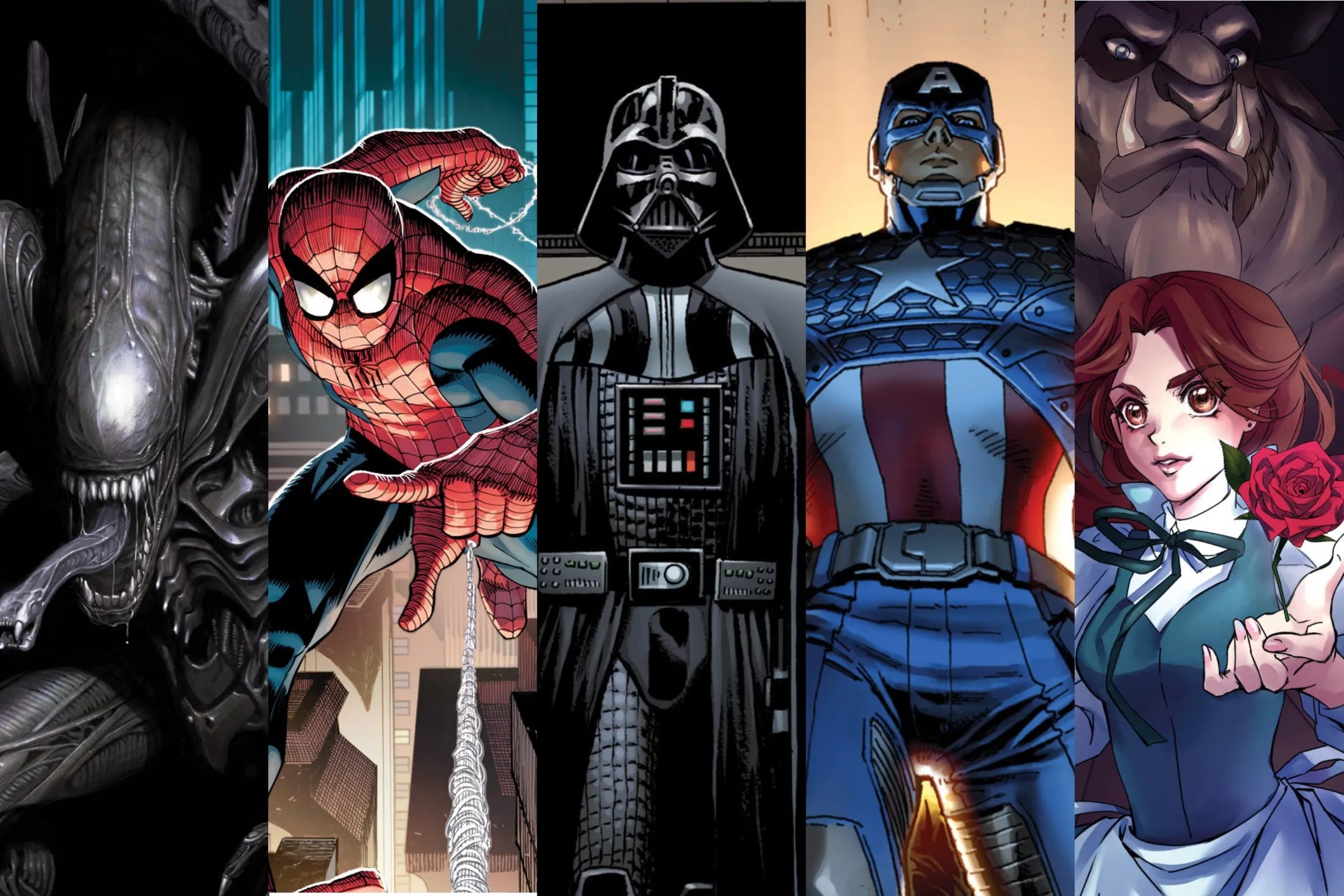
On top of that, the most recent release mentioned that Disney would be buying a 2% stake in WEBTOON Entertainment. Put in another way, Disney will potentially own a stake in a publisher that routinely puts out new IPs that get millions of views every month. A publisher that is actively adapting their most popular webtoons to K-dramas, animes, and Korean films.
This isn’t quantum mechanics here.
WEBTOON has IPs that are internationally popular. But they haven’t had any major licensing successes in Korea or abroad. Not like Mickey Mouse, Marvel, or Star Wars.
Again, what does WEBTOON get out of this?
Potentially, everything they could possibly want.
Who’s going to lose out?
I’m looking at this deal like the DC/Marvel crossover of the 90’s. That publishing event came at a time when DC was losing audiences to Marvel in droves. While it brought a renewed vigor the comic book industry (potentially leading to the bubble of the 90’s), it benefited DC massively more than than Marvel.
While I’m willing to believe that this possibly ends with both companies gaining new audiences and expanding their areas of experience, it’s just as likely that one company benefits more from the deal than the other.
In theory, this should lead to a massive upward swell for the entirety of the comics industry as more audiences flock to the digital comics experience. A rising tide lifts all ships as it were.
So, who loses?
Kakao. Ridi, possibly. Basically, any of Naver WEBTOON’s direct competitors in the Korean marketplace. Because while Disney may not have a strong presence in Korea, their IPs certainly do. Enough to give Big Green a bigger competitive edge in Korea than they already have.