

With the news that Kidari Studio and Lezhin Entertainment will be shutting down the Lezhin Japan platform, I thought I’d pen a quick look back at my own short time working with Lezhin Japan’s overseas business development team. Hope you all enjoy.
It was sometime around my second year at Lezhin when my career at the company was looking unstable. The US team was bigger than ever, about 10 people up from the initial number of 5 and you could feel that the size was getting ungainly.
The Japan team, on the other hand, had been at 8 members and stuck at that number for the majority of my time at Lezhin, even after I was put in charge of the US service.
Whereas we were brash, aggressive and always trying to push boundaries, the Japan team was generally quiet. Focused heavily on quality translations, quality titles, and balanced campaigns.
It didn’t help that we were the only two teams on the 6th floor with two rows of empty desks between us. The US team would come back from lunch, loud and complaining about finishing out work for the day while the Japanese team would smile and whisper amongst themselves.
It was almost laughably stereotypical, a fact that wasn’t lost on us.
Eventually, that US “can-do” attitude spun a bit out of control and I found myself on the outs of the team I had been with for nearly 2 years at that point. It was a bit dizzing, how quickly I found myself (and my career) in deep waters.
And then, surprisingly, I found myself operating under the banner of Lezhin Japan.
My Brief Stint with Lezhin Japan
Michael Song, Business Development Specialist, Lezhin Japan Biz Dev Team
I want to specify that I did not, nor have I ever, worked in the Japanese market. I’ve worked with Japanese companies, licensed Japanese content, and occasionally speak with Japanese creatives, but I have never licensed content into the Japanese market because I have no idea what Japanese audiences are interested in.
My team, however, did.
I was placed on a team with the former head of JP operations (team lead) and his editorial lead (my coworker). They were working on, among other initiatives, expanding Lezhin’s footprint in the Japanese market. Whereas other teams were working on licensing Japanese content for the Korean market, my team was licensing content into the Japanese market. Specifically, on platforms other than Lezhin Japan.
It was a strange place to be.
We were, in some ways, actively competing with the Lezhin platform’s businesses by licensing titles to competing platforms and comparing the revenue streams of both.
By this time, Lezhin had been operating in the US and Japan for 4 and 5 years. The business were stalled, revenues had hit a ceiling, and the decision was made not only to employ a “red” biz dev team, but to empower them beyond the means offered to the “blue” platform teams.
For my part, my time outside of LezhinUS lasted only about a year before I was brought back into the fold. I’d increased the number of licensing sources, brought up the number of new launches, and signed new exclusive titles from overseas creatives. It wasn’t long before I was heading up the entirety of content on LezhinUS and taking on the role of “publisher”.
Lezhin Japan’s Biz Dev experiment ended less successfully with both members eventually leaving Big Red and heading out of the webtoon industry. The last thing I heard, my coworker was still in Korea working for Adobe while our boss had moved to Japan to work for a major Japanese publisher.
Goodbye LZJP
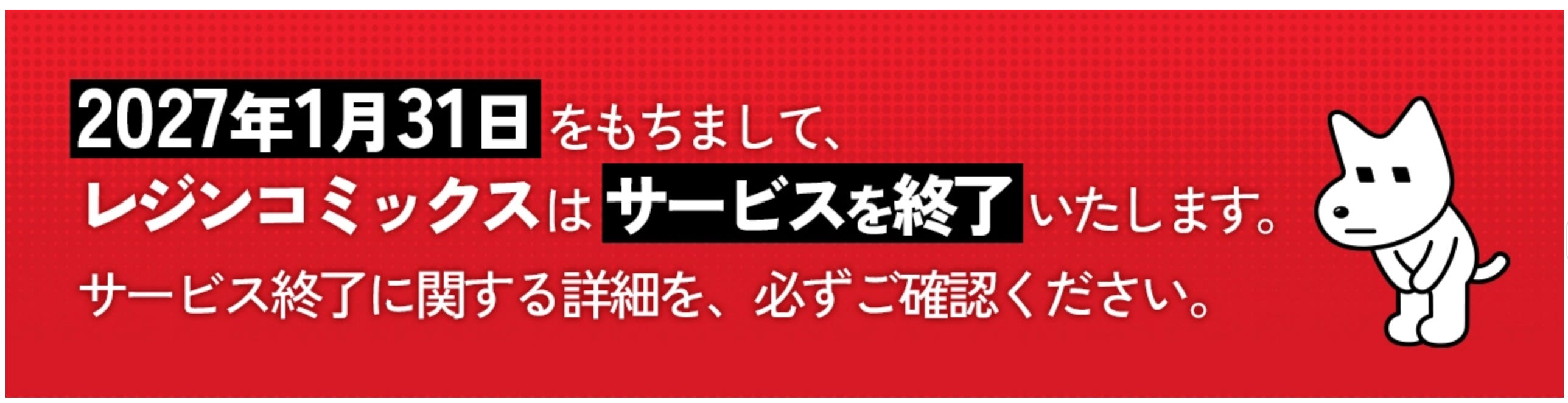
While Lezhin Japan’s site is slated to shut down, some of the content will be ported over to its sister platform, BeLToon. It’s bittersweet knowing that Lezhin Japan’s platform with be shutting down and being merged with BeLToon.
Over the years, I have to admit that I never agreed with many of the Japanese business’ operational strategies. And the drive to launch BeLToon, a BL-focused webtoon platform, seemed… stupid. Not just because Lezhin Japan was already a major player in Japan’s BL market, but because focusing on male adult while, internationally, the Lezhin brand name was becoming synonymous with the BL genre was (and I’m summoning all of my powers as a wordsmith here) stupid.
But I can find consolation in the fact that Lezhin Japan’s closure comes after multiple attempts by multiple iterations of teams and individuals who believed in trying something new.
And I find even more consolation in the fact that I believe Kidari will, eventually, rename BeLtoon to Lezhin Japan anyway.
And then I can write a post on LinkedIn saying I called it all those many months ago.
The Lezhin Japan story actually calls into question what users are actually buying when they make purchases on webtoon platforms.
While the platform’s operations will be combined with BeLToon, users have to request their accounts and points be ported over to the newer platform. And, worse still, as BeLToon and Lezhin Japan had two separate libraries, some of the purchased content won’t be available on BeLToon.
Meaning those titles will have to be repurchased if the users want to re-read them. Likely on other platforms altogether.
Which, as I’m sure you’ve guessed, is getting all kinds of hate on socials.