

Let’s get one thing out of the way before we get too far into this: “Kpop Demon Hunters” is a blast to watch and if you haven’t seen it, I highly recommend it.
As a Korean-American, through and through, it felt like a movie written for me. It reminded me of folk tales my parents told me before bed, weird random phrases my grandparents would say that felt out of place, and it reminded me just how insanely neon-lit Seoul appears to anyone who visits for the first time.
It wears its Han influences on its sleeve, but the story, at its core, is one that would never be told in Korea.
Korean Culture, Center Stage
Let’s talk about what “Kpop Demon Hunters” gets “right” from a Korean storytelling perspective.
The culture is a character unto itself and it’s expressed in the costuming, design, and environment. We’re talking passive storytelling at its best.
I won’t go through the differences between the story’s mythos and historical mythos (for example, the “demons” are obviously an interpretation of “dokkaebi”). But the writers took some leeway that mostly felt like good decisions and never felt disrespectful.
“Kpop Demon Hunters” (contrary to its name) was developed at Sony Pictures Animation which has their headquarters in Los Angeles. The film was directed by Maggie Kang and Chris Appelhaus with a variety of writers on board fleshing out the characters and the script.
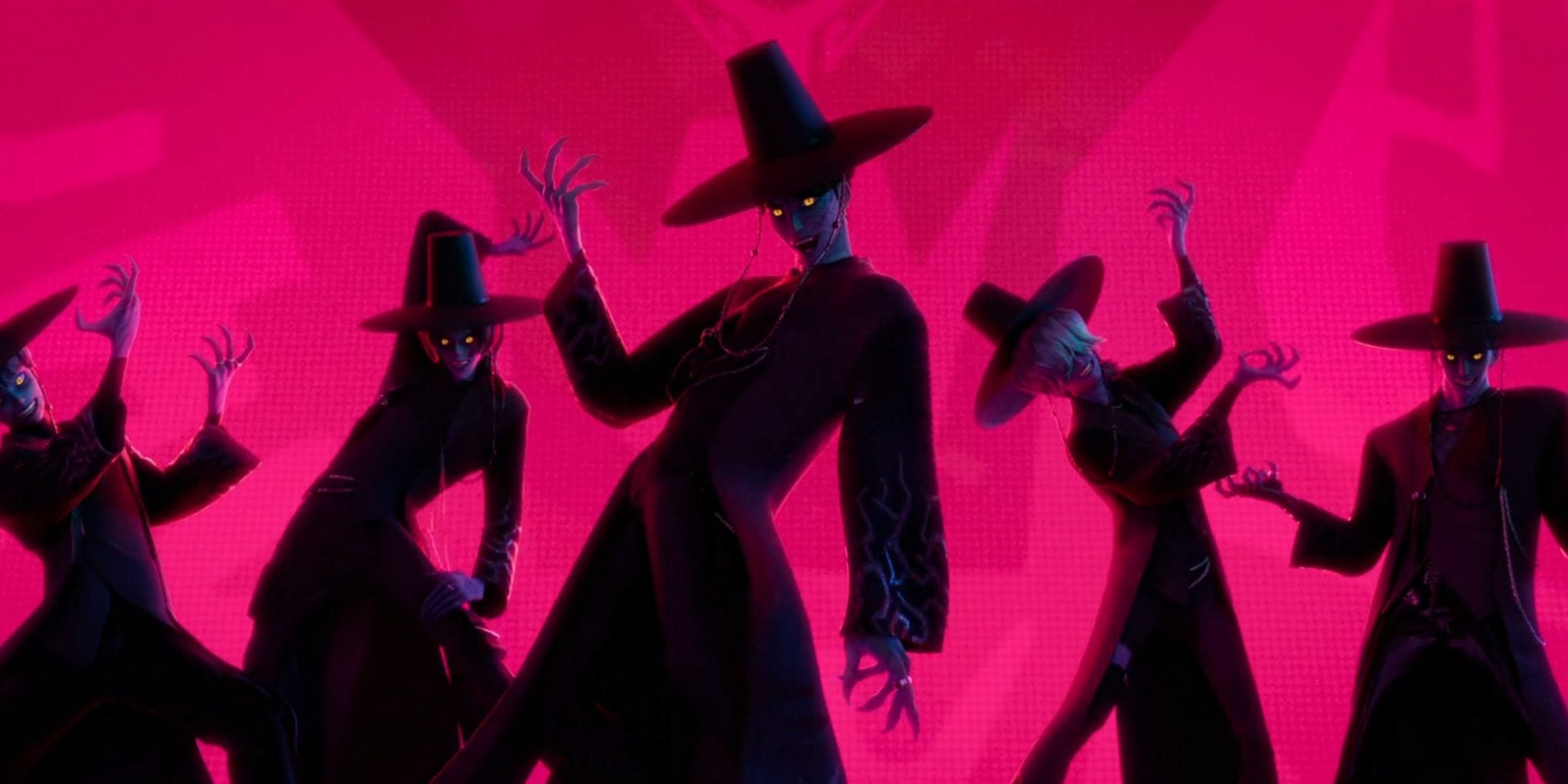
Do the Saja Boys dress like the Korean equivalent of grim reapers at the end? Yes. Does that have anything to do with dokkaebis or demons in Korean history? Not really. But that’s okay because the music was great and the end result feels steeped in the culture. Not dipped in for flavoring.
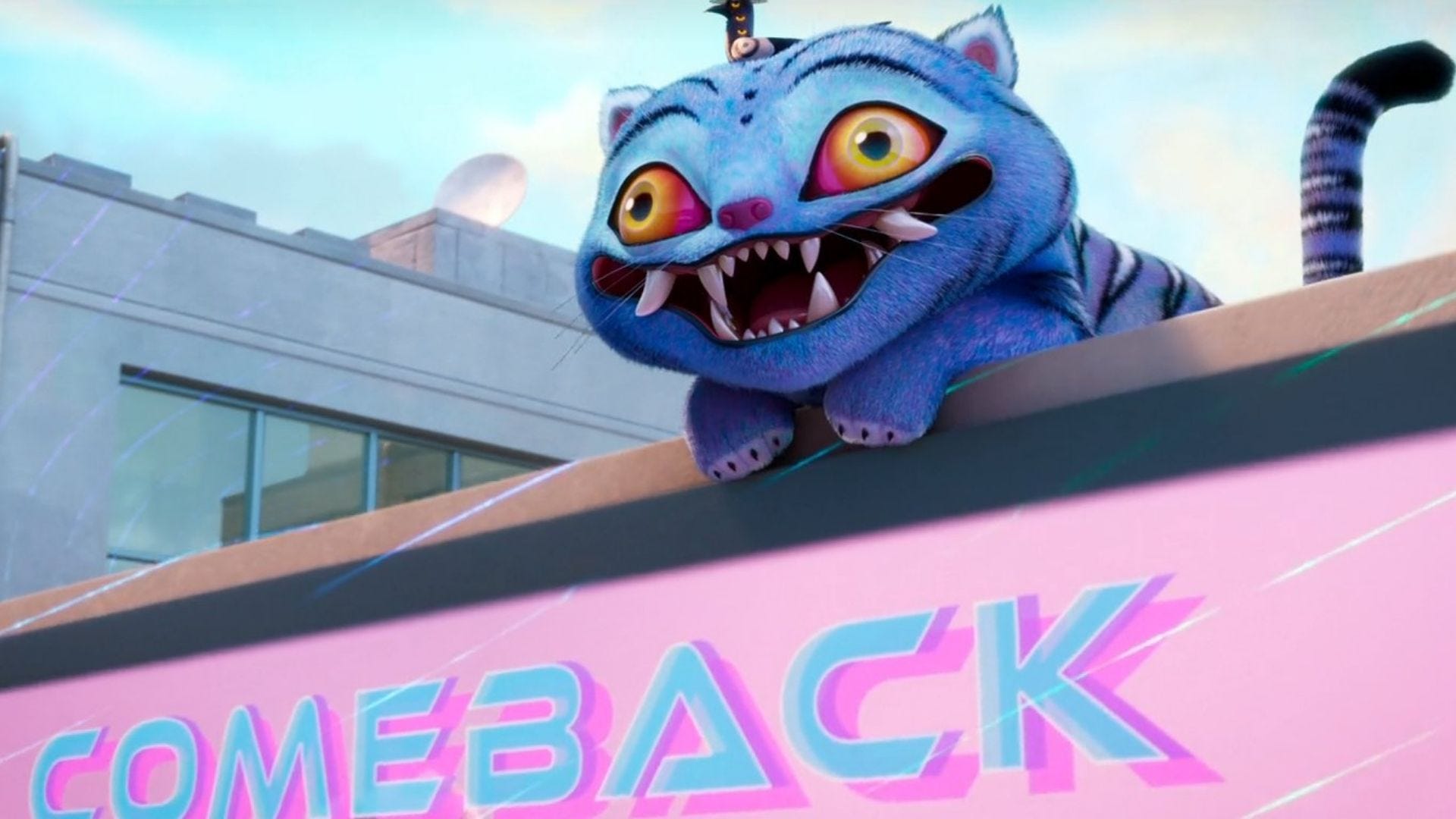
But there’s one story beat that immediately stood out. And when it came back up again, I knew for a fact that it couldn’t be written by a Korean team.
Fillial Piety
Korean movies, TV shows, webtoons and webnovels follow a set of “rules” when it comes to storytelling similar to western stories.
These rules and tropes are as natural to Korean stories as “the American dream” or “bullies being idiots” are in the west. But there’s one above all: protagonists are obedient to their parents (or grandparents).
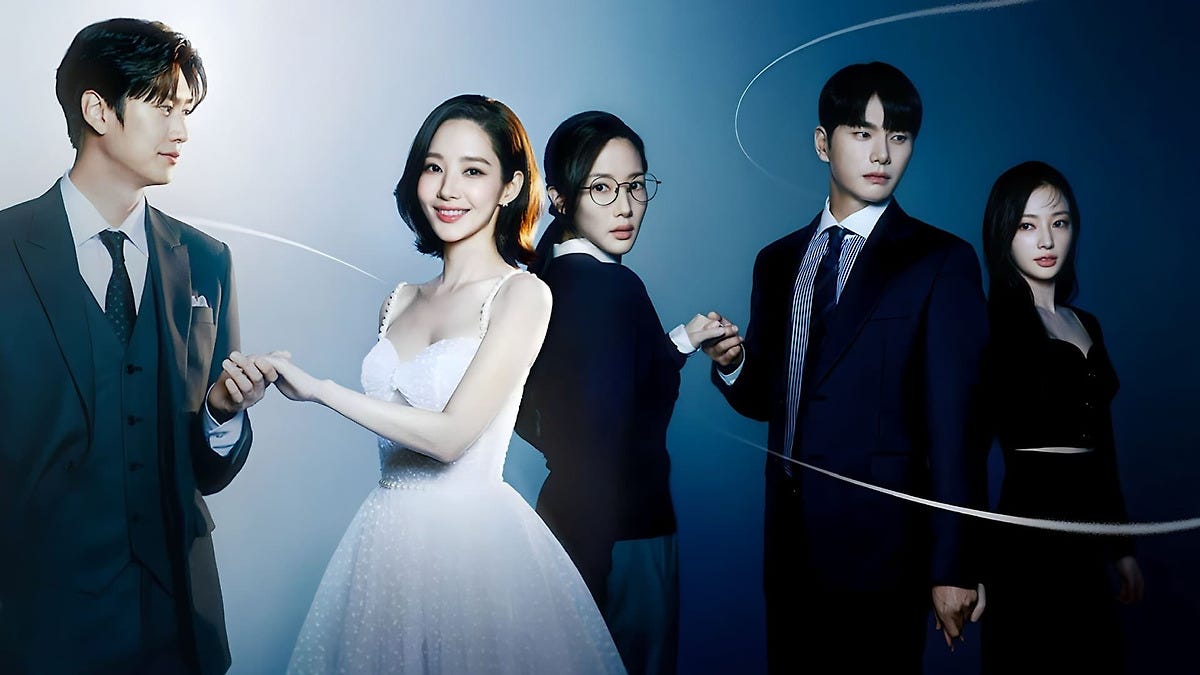
My favorite example is “Marry My Husband” where the main character is murdered my her husband and best friend only to wake up a year earlier so she can make different decisions and live a better life. In fact, we find out that it’s the spirit of her deceased father that turned back time so that his poor, set-upon daughter could have the opportunity to do so. The story takes it one step further in the K-drama adaptation where the main love interest meets the dead-father-spirit and promises to take care of his daughter.
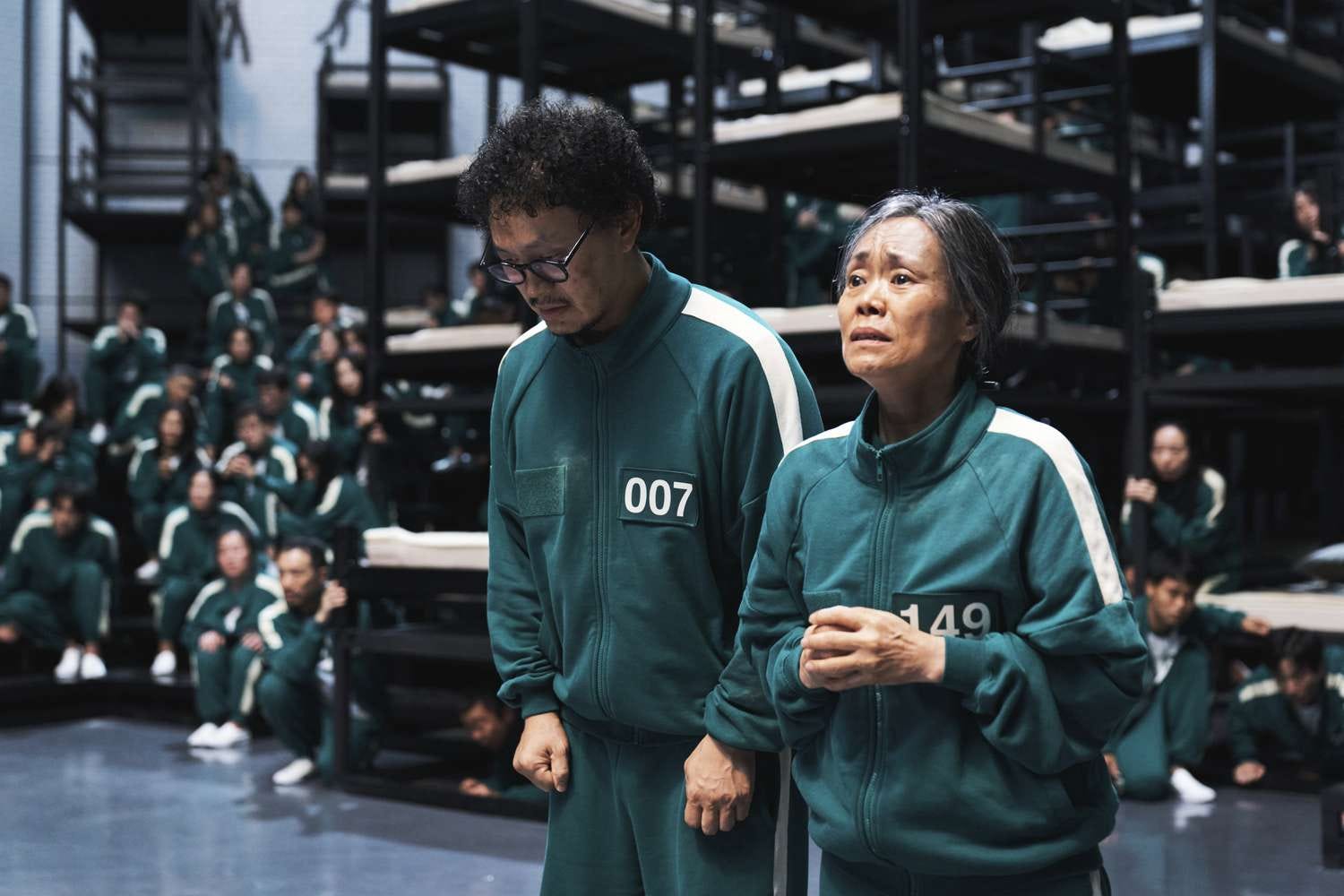
This trope even shows up in “Squid Game” season 2 which introduces a mother-son pair. The two argue and fight, at one point being separated during one of the games. But upon being reunited (a few minutes later), the son apologizes profusely and spends the rest of the season going against his own instincts and doing as she asks. Spoiler alert: things go badly for him when he disobeys her.
Is it old-fashioned? Yes.
But the trope applies in so many cases, I found it difficult to find an instance when characters aren’t punished for disobeying their parents. The one case where it does occur without penalty? “It’s Okay Not to Be Okay” where the main character’s mother is a serial killer but also, more importantly, the main villain in the story.
The trope applies to most characters, but heroes and heroines of stories in Korea are often obedient to their parents. Disobedience often breeds conflict which is why it’s generally reserved for antogonists.
Where Does KPDH Go “Wrong”?
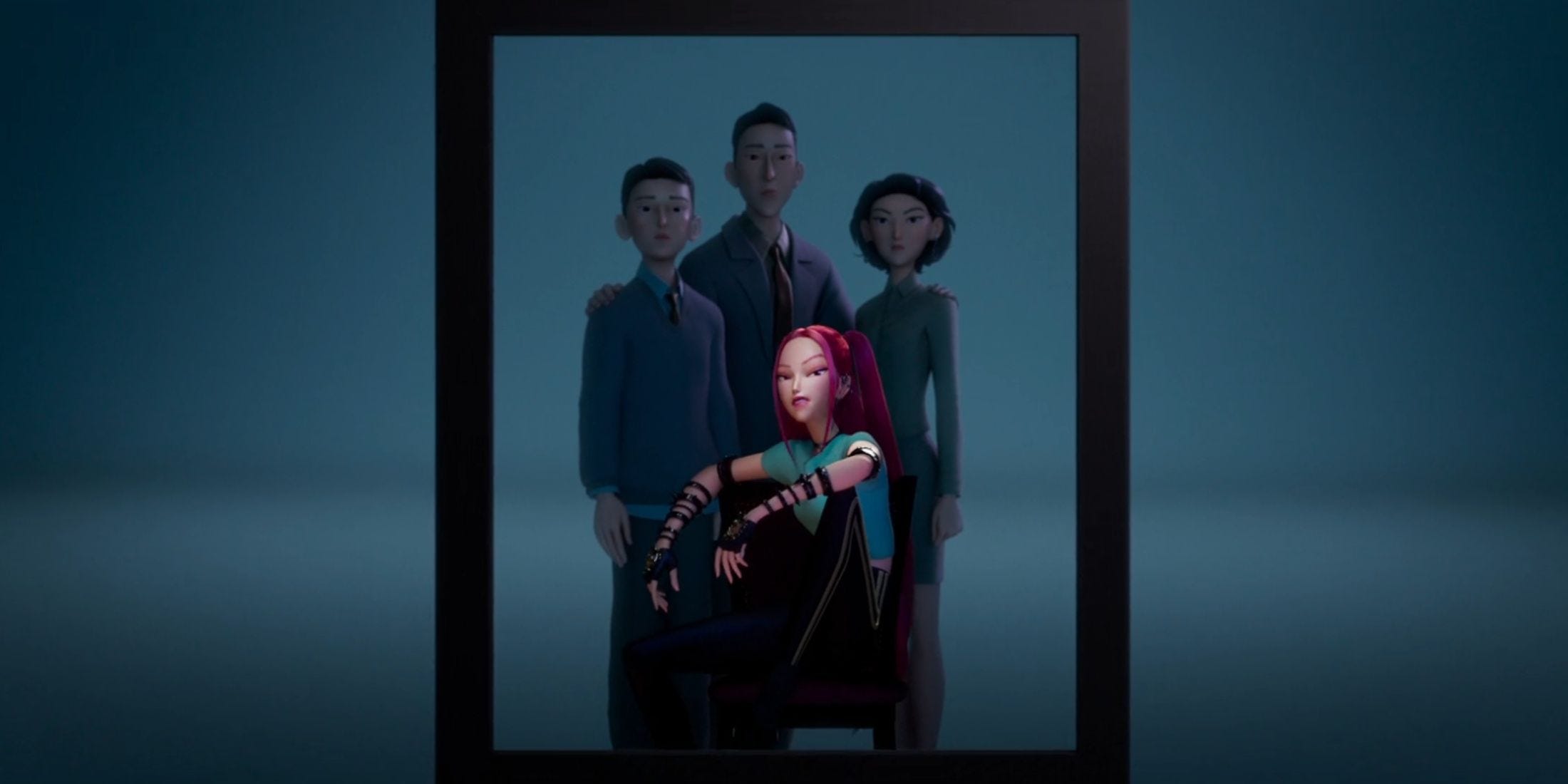
It’s a small scene, but the introduction to the characters shows off Mira as the rebellious character. She speaks her mind and is tough, so much so that she’s been ostracized by her family.
A disobedient daughter.
We get a bit more later on when it’s established that Mira wasn’t just disobedient and ostracized as a child, she’s still disobedient and ostracized now.
There’s a simialr issue with the main character, Rumi, and her adoptive mother, Celine. Though her character only appears for a few moments, we’re given to understand that Celine is the main reason Rumi has hidden her demonic origins from her closest friends. And, leading up to the climax of the film, Rumi turns her back on Celine’s instruction and decides to create her own path to acceptance.
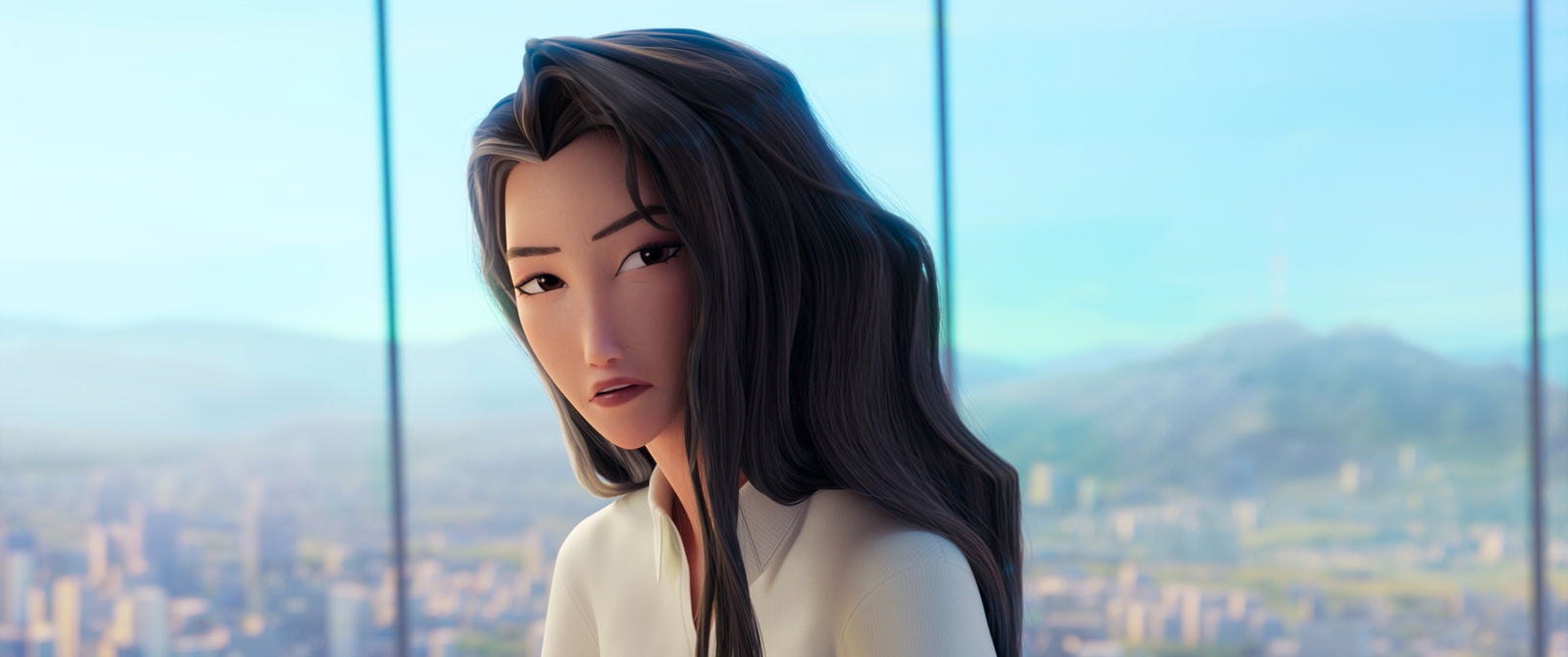
I want to reiterate that there’s nothing wrong with this as a trope in western media, but it’s virtually unheard of in Korean stories. Maybe it’s because of traditional folk tales in Korean mythology (i.e. the “green frog”), but disobedience breeds chaos.
This tendency towards filial piety is so prevalent in Korean stories, that in the case where a story might bring a heroine into conflict with a parental figure, the writer generally creates a situation where it’s called for.
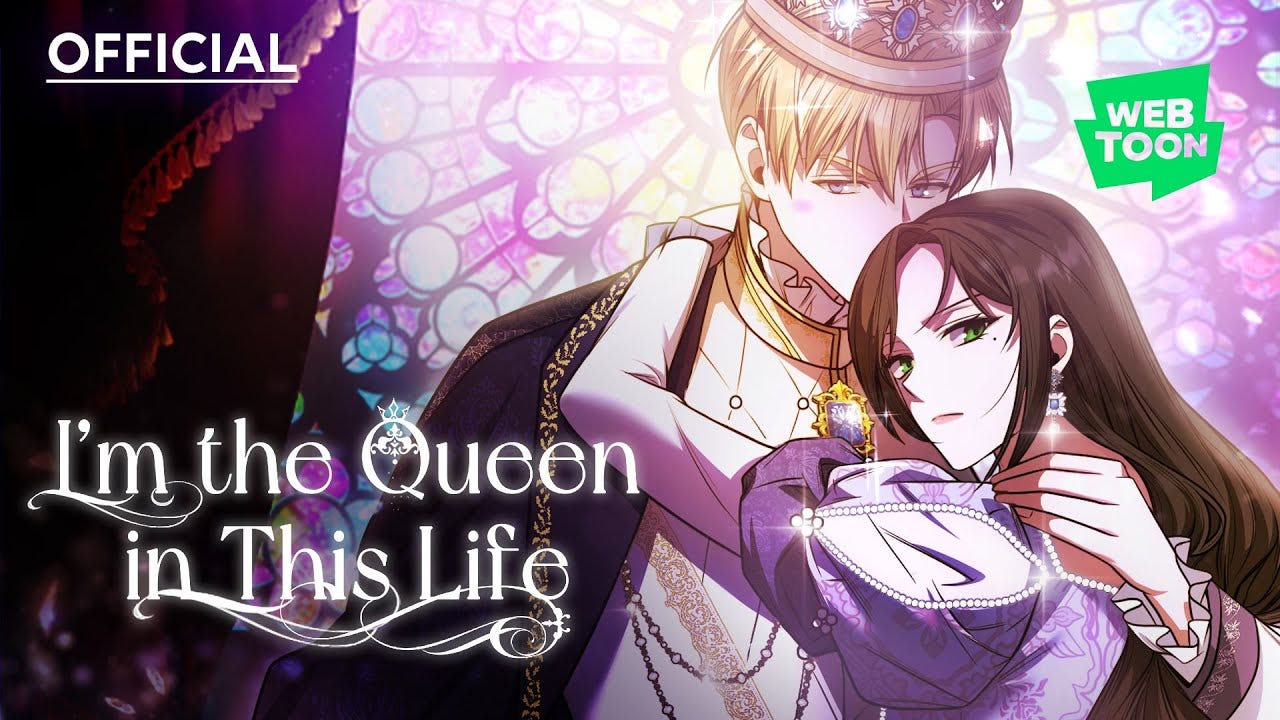
In fact, this opportunity to present protagonists who are at odds are parental figures has spawned a whole sub-genre of villainess-slash-romance-fantasy stories that powers half of the webtoon and webnovel industries.
In western culture, we call them wicked stepmothers.
***
I hope you enjoyed reading this post as much as I enjoyed writing it. There are actually quite a few cases of this trope being broken in more modern stories, but it’s breaking this trope isn’t a trope in itself.
Part of me wouldn’t mind seeing Korean storytellers break these and other tropes, but it’s also their adherence to these tropes that separates them from western media.
If you haven’t seen “Kpop Demon Hunters”, I highly recommend it because it’s a pretty awesome movie. And while it might not be a traditionally “Korean" story, it gets the job done.