

There are a lot of “rules” when it comes to webtoon writing.
There’s the Kakao rule which says that main characters need to hook the reader in the first 10 panels. The goal being that readers become so enraptured in the character that the story and setting just become vehicles for the MC to react to and inhabit.
Then there’s the sex rule in adult titles. Generally, you need an explicitly erotic scene in the first episode. The earlier, the better. And if you’re delaying it (to the end of the episode), you need to make sure there are allusions throughout that act as promises to the reader that it is indeed coming (ew).
But there’s the unwritten rule. The one that’s a given, no matter what genre or character you’re working with.
Your story needs stakes.
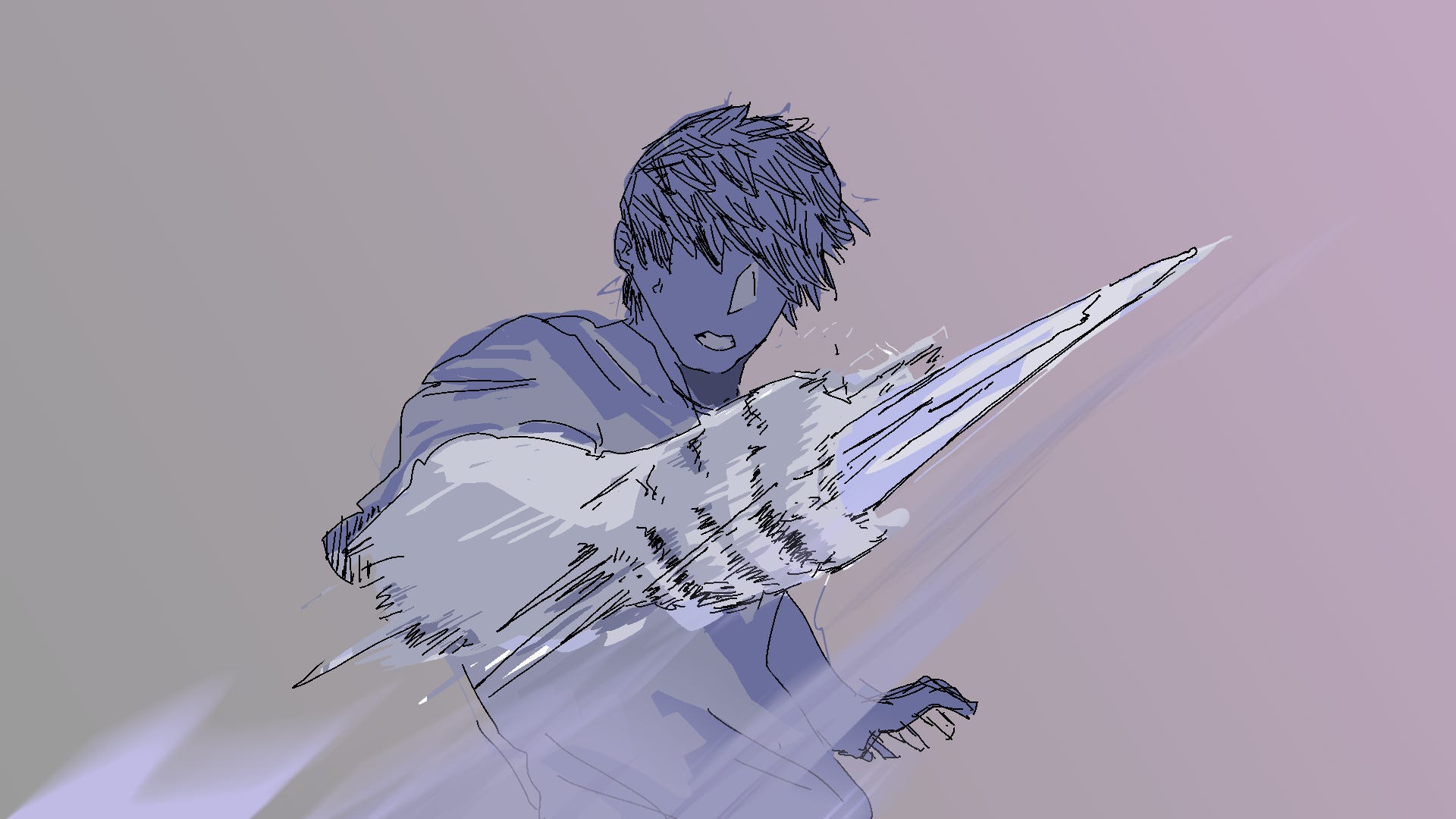
Build Your Foundation (Quickly)
Stakes are the consequences that the character will face if they fail to meet their goal (roll credits).
It’s a simple concept, but it’s importance should be immediate. Without stakes, the conflicts, relationships and scenes all lose their weight. And in webtoons, the stakes are set in a way that the consequences will be immediate.
For example, I want to drive and keep my bus over 50 mph because I want to get through my route quickly. The stakes if I fail are… I failed my goal but nothing really happens.
But what if there’s a bomb attached to my bus?
Now, I stil want to keep my bus over 50 mph even if the reason has changed. And the stakes if I fail? The bomb explodes killing me and everyone else riding onboard.
Clear and immediate.
Setting up the stakes quickly (and efficiently) will do a lot of the heavy lifting when introducing characters, settings, and conflicts. Having the reader know the stakes ahead of time will immediately introduce a major conflict which will stick with the reader throughout the story until it is resolved.
You Want Examples? Sure.
Let’s start with some easy ones.
Solo Leveling introduces Sung Jinwoo, the world’s weakest hunter. The first episode starts with him, covered in blood and facing off against giant stone warriors. The webtoon doesn’t have to tell us anything, his life is at stake.
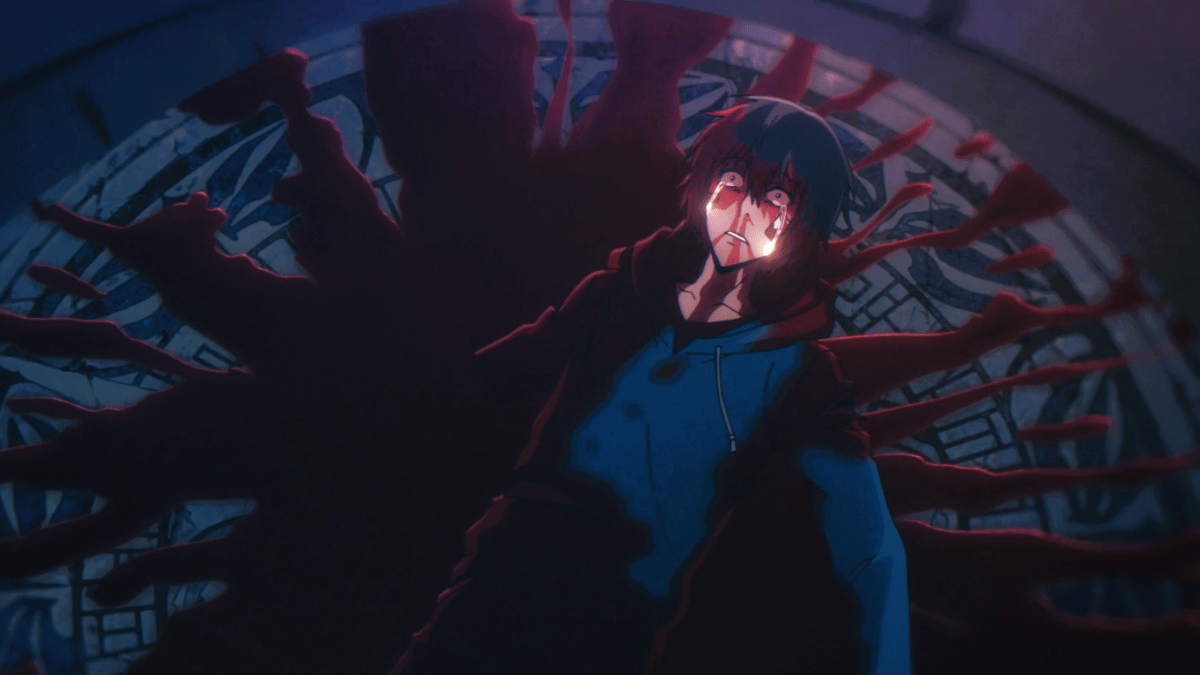
They don’t get much bigger than that!
But that’s just the first story arc. From there, Jinwoo gets the ability to level up and grow more powerful so the stakes change. Eventually, he goes on a quest to heal his mother who’s in a coma. Or rescue other hunters from overwhelming odds. And on and on.
As the main character gets more and more powerful, the stakes shift from affecting him directly to encompassing his circle of friends and loved ones. And in order to progress, he doesn’t just have to be strong enough to save himself, but the whole world.
Tears on a Withered Flower is a different case altogether. Instead of setting up stakes or a conflict, it builds the main character first. You follow an attractive woman through a day of working one part-time job after another until you learn the truth: her husband dug them both deep into debt and now she has to work to pay it off. And right before the first episode ends, we meet a handsome man who buys flowers from her.
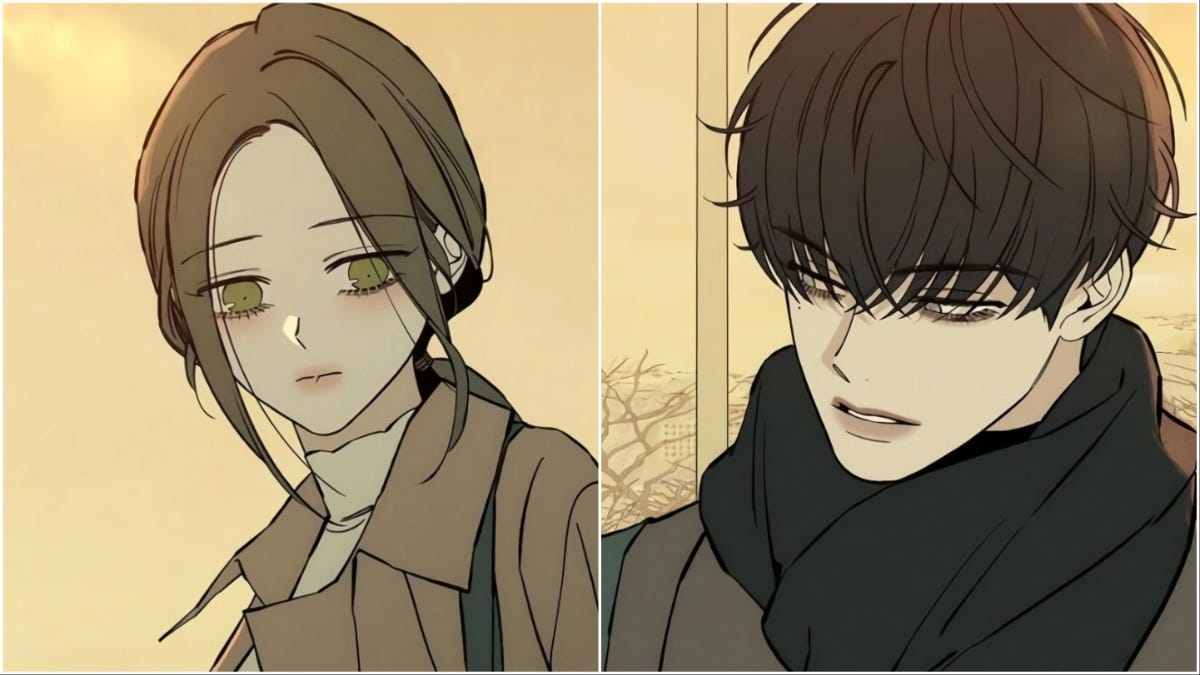
It’s a bit of a thinker. Her husband is a dirtbag loser and her life doesn’t seem like much. The handsome stranger that comes floating into her life could be a lifeline, the start of something new and an escape from a hell of her husband’s making.
Or not. Or it could be something worse.
What’s at stake? Possibly her current life which might be imperfect, but there’s the possibility of things getting better. Maybe even her marriage which might be at a low point, but reconciliation is possible.
Haesu is risking her current life, her marriage, and what little stability she has by starting a relationship with Taeha. And eventually, when that grows, she risks her husband’s anger and violence.
But she’s also risking hope.
Think about the last time you applied for a job you really wanted and was turned down. Or maybe even asked someone on a date? There’s that initial twinge of hopelessness that follows. That spark of anger or annoyance that makes you wonder why you bothered in the first place.
Maybe you didn’t realize you were feeling hopeful before, but you sure feel it when it’s gone.
Without Stakes, You’re in the Wind
Stakes keep your story grounded. Without them, conflicts only have the meaning you ascribe them in the moment. And, yes, good writers can ascribe a lot of meaning to conflicts, but having pre-existing stakes beforehand does some of the heavylifting and keeps your story consistent.
Writing a story with two students who are in conflict could be interesting. But what if they live in a world where everyone tells the truth? What if one of the two students has the ability to lie? And what if he’s slowly coming to suspect that the other boy has discovered his secret?
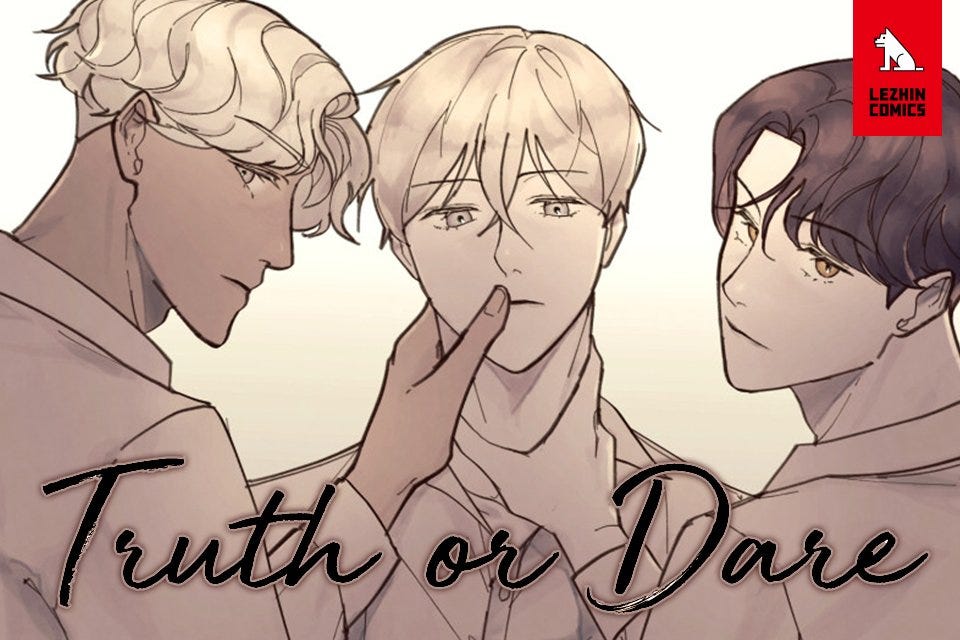
One of the hallmarks of webtoons is introducing stakes for the main character in the first episode. This gives future conflicts, even simple ones that might normally be considered filler, more weight and substance.
It’s also the reason why webtoon titles out of Korea tend to stick to specific tropes or subgenres like safety blankets. BLs often set social stakes, discovery of one’s homosexuality leading to the loss of one’s job, social status and so on. Meanwhile, office romances set up professional stakes.
If you’re reading (or writing) a webtoon and you feel like the conflicts are too flighty, too inconsequential, then it might be the stakes. Or the lack thereof.