

After more than a few false starts, I put together this guide as a resource for any webtoon creators who are getting their start or for folks looking to understand the creative aspect of webtoon writing and drawing better.
I’ve put together guides from which tools to use to how to understand episodic storytelling.
Let’s jump in with a post from KComics Beat.
“Tools to Help You Get Started in Webcomics” by KComics Beat
This helpful post outlines a handful of digital applications that are commonly used to produce webcomics and webtoons. They do a decent job of explaining the pros, cons and pricing for each option.
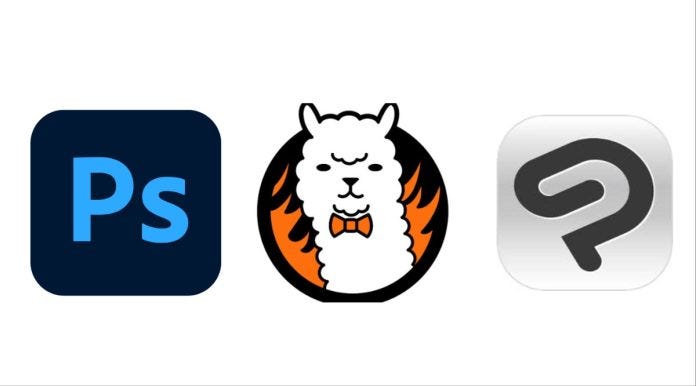
I do disagree with one aspect which is using Clip Studio for typesetting. I’ve seen enough webtoons and webcomics produced by western studios to know for certain that this isn’t the tool for that. The Korean industry uses Photoshop almost as a standard, especially for translations. This smooths out a lot of the issues and inconsistencies you get with Clip.
“Point Character Drawing” by Taco
Taco’s “Secret Character Drawing” (Amazon) was one of the most sought after books in the webtoon world when it was published. And, for a long time after, it was a rarity in western markets.
Thanks to that popularity, Taco made sure to include English text in his follow-up, “Point Character Drawing” (Amazon) which was published in 2020. Both books are worth checking out, but “Secret Character Drawing” is only in Korean so I highly recommend his follow-up for international audiences.
Blambot for Typesetting and Fonts
I don’t think I’m giving anything away when I say that LezhinUS started out by using Blambot for their typesetting guide and fonts. Blambot’s guide and tips aren’t a perfect fit as the industry has shifted significantly since those early years, but it’s a good starting point for anyone new to the webtoon medium.
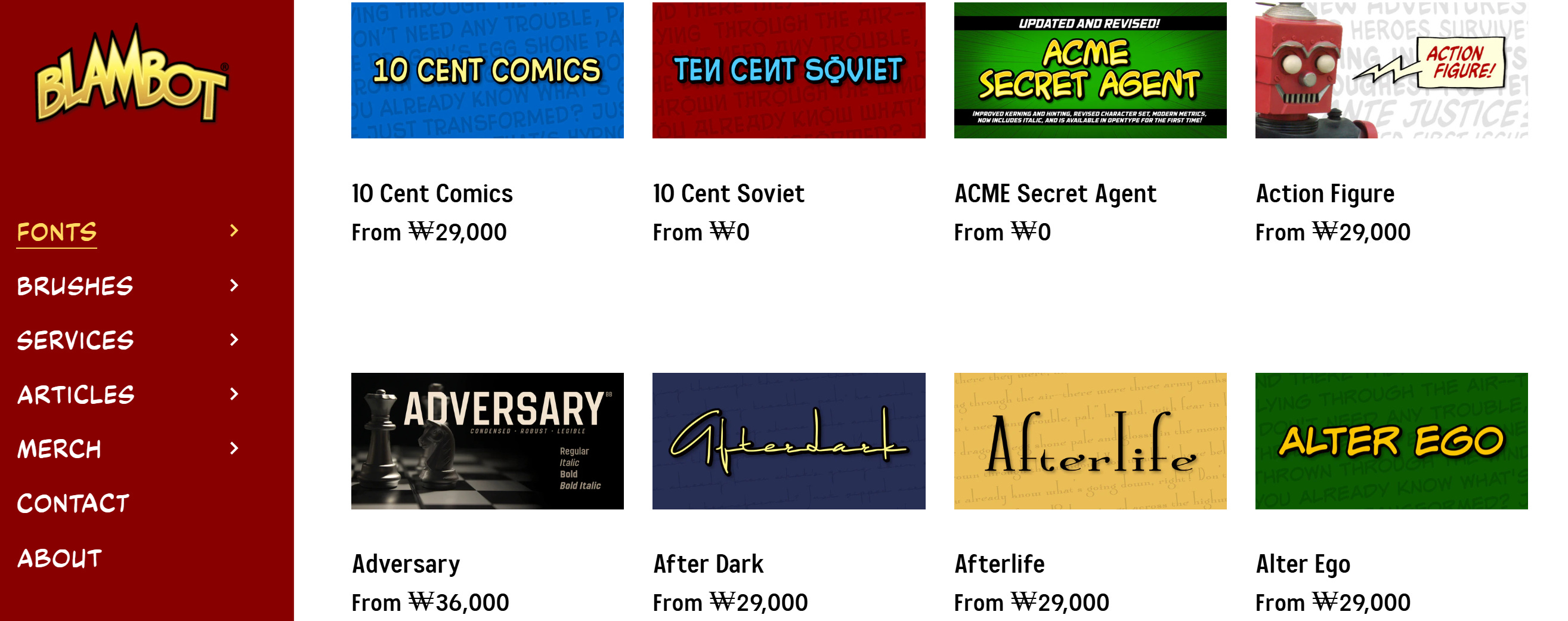
Even now, I tend to use some of Blambot’s free fonts when it comes to typesetting samples because of how versatile they are. And, while the guide isn’t a perfect fit, it does result in clean final manuscripts nonetheless.
“Storytelling for Film and Television Review” on Fiveable
There are many guides and methods to creating episodic stories, but one of the most basic guides I’ve seen is this post on Fiveable which borrows from multiple sources and puts the information in a simple, easy to understand format.
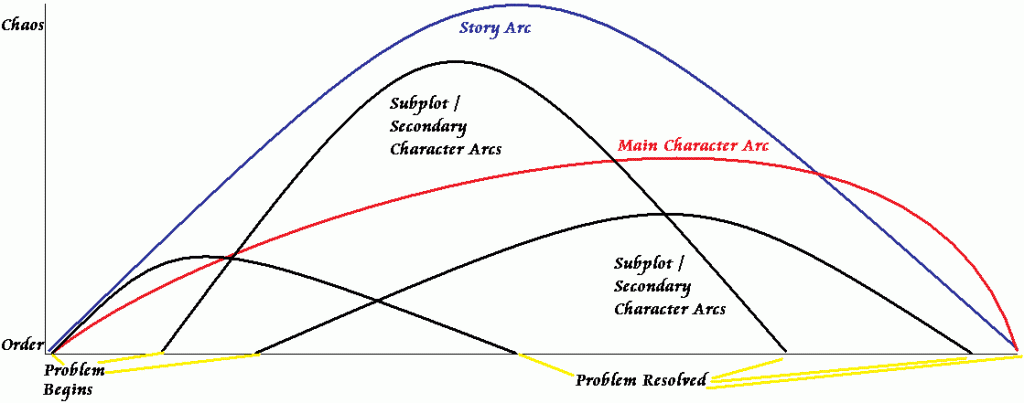
Webtoons aren’t broken up into episodes for nothing, they’re actually structured similarly to television shows which is also why they get adapted so well for K-dramas and animes.
For anyone looking to get more details on episodic storytelling, I suggest looking at multi-conflict narrative structures in particular.
***
One major aspect missing from this guide is putting it together, namely the art of storyboarding. And that’s because… I couldn’t find one. It doesn’t exist, at least not in English.
There are guides on Japanese manga as well as western comic book style storyboarding, but none of those are a good fit for the webtoon platform. And they are not indicative of the Korean webtoon style.
So, for the time being, I’ll have to end this guide here. But if you have other guides you think would be helpful resources or questions, feel free to leave them for me below.
Right what i was looking for
Super helpful post! Thanks so much