

With the closures of major platforms in recent months, I wanted to dive into the backstory of the webtoon industry and explore some of the monumental events that have come to define the webtoon industry.
So, without further ado, here are three major shifts that have come to define the modern webtoon market. And maybe three more that are likely to shift it further.
Paid Content
The first is the introduction of microtransactions to the webtoon industry by Lezhin Comics back in 2013. Until this point, webtoons were generally free and hosted by search engines like Naver and Daum.

The introduction of paid content (a) allowed webtoon platforms to invest more funding into publishing and marketing now that there was a direct financial incentive to doing so and (b) kicked off a talent search for webtoon creatives leading to a golden age in the webtoon industry.
More financial competition meant that creatives could negotiate terms leading to bidding wars and better practices in the Korean market. With millions of dollars in play, this also brought in government oversight leading to official reviews of publication and contracting practices.
While such safeguards would’ve eventually come to the webtoon industry, the scale of revenues being generated in the industry certainly increased the pace.
The Move to the Studio System
Prior to 2018, the vast majority of webtoons were being produced by independent creators either solo or in small teams. Currently, nearly all AAA-projects are studio-based with tens of creatives working together to produce high-quality titles.
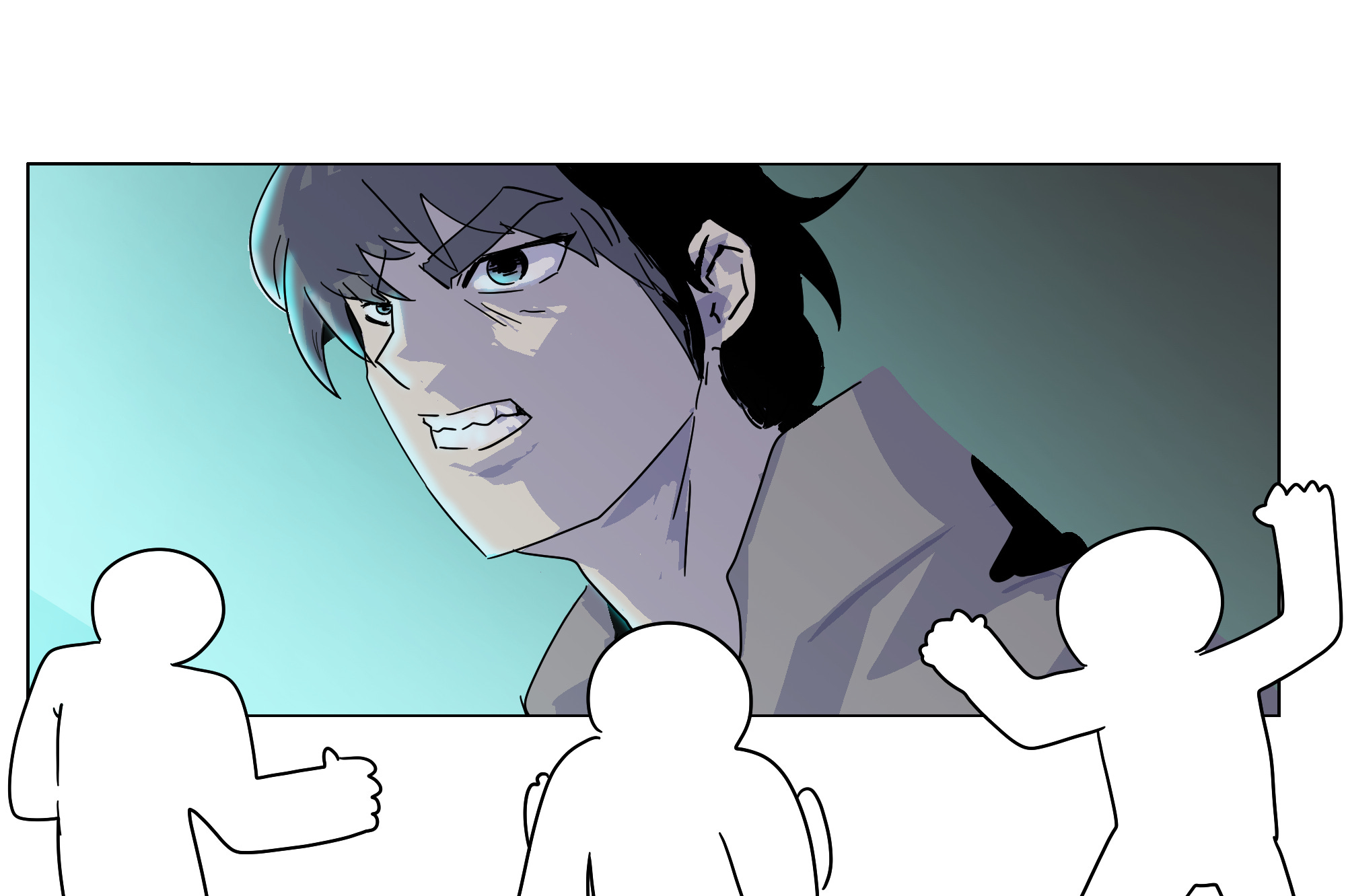
This not only increased the budget for webtoon production, but it made high quality art par for the course changing the landscape of webtoons. What started as an industry of indie creators telling deeply personal stories has blown up into a multi-billion dollar industry full of polished works vying for the top spot.
The downside is the lack of independent works in the market now. Studio-backing comes with strings, usually in the form of IP ownership. The current studio system in Korea is similar to the anime production pipeline in Japan wherein the individual creator (usually a webnovel author) who started the IP loses control and ownership of the IP in exchange for highly-rendered webtoon production.
And, with hundreds of thousands of dollars at risk in production, the industry has shifted to stable revenue generating stories rather than experimental and highly personal storytelling. In other words, a lot of romance fantasy and action fantasy titles.
While the move to studio-production isn’t the sole reason for the current era of webtoon “sameness”, it is one of the biggest factors in keeping it going.
It’s a Small World After All
Finally, we have the expansion and failures of the international market. Naver WEBTOON, Lezhin Comics, and Tapas are three of the biggest overseas names in webtoons operated by Korean companies.

But for each success, there are multiple failures like Piccoma Europe and Pocket Comics not to mention KDKD (Lezhin’s NFT platform), Peanutoon, and KTOON in Korea.
Post-COVID, webtoon publishers and platforms wanted to spread to each corner of the planet and replicate the successes of the North American market only to find that you couldn’t copy-paste business strategies across cultural lines.
The Future
So, where are we going?
